
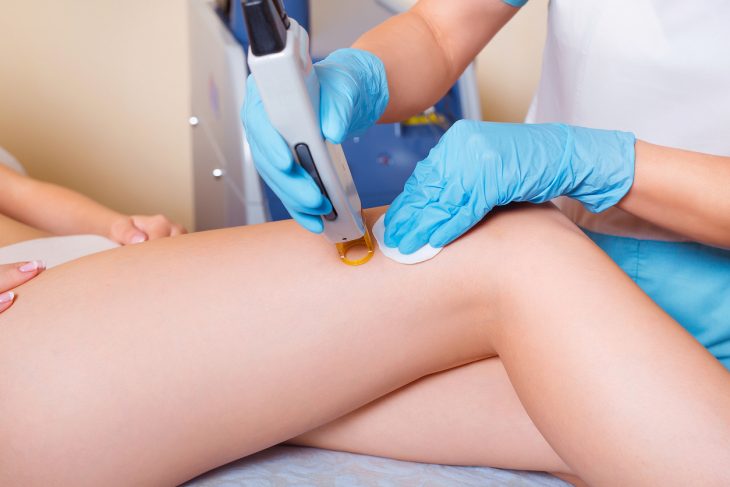
Six Reasons Laser Hair Removal Is the Smarter Choice Than Waxing
Hair removal remains a practical consideration for many seeking to maintain a professional appearance in daily routines. Traditional methods like waxing have long been staples, yet advancements in cosmetic procedures offer more enduring alternatives. Laser hair removal emerges as a method that addresses common frustrations with waxing, such as regrowth and irritation. In urban settings like London, where schedules demand efficiency, this treatment aligns with the need for reliable, low-maintenance grooming. This article outlines six compelling reasons why laser hair removal proves superior, drawing on clinical insights and user experiences to inform decision-making.
A specialist at MedspaBeautyClinic notes that laser hair removal in London provides a targeted approach to follicle disruption, minimising the cycle of repeated sessions inherent in waxing. For those exploring options, laser hair removal stands out for its ability to deliver smoother results with fewer risks of ingrown hairs, particularly beneficial in humid climates where skin sensitivity can arise.
Reason One: Superior Long-Term Results
Laser hair removal achieves results that extend far beyond the temporary relief offered by waxing. Waxing pulls hair from the root, granting a smooth surface for two to four weeks, but follicles remain intact, prompting swift regrowth. In contrast, laser technology employs concentrated light to penetrate the skin and damage the hair follicle’s growth centre. Over multiple sessions, typically six to eight spaced four to six weeks apart, this process leads to permanent reduction in hair density, with studies indicating up to 80 per cent fewer hairs after completion.
Clinical evidence supports this efficacy. A review in the Journal of the American Academy of Dermatology highlights that diode lasers, commonly used in treatments, inhibit anagen-phase growth effectively across skin types. For individuals in London, where access to advanced clinics is straightforward, the cumulative effect means less frequent maintenance. Patients report sustaining smooth skin for months post-treatment, freeing time previously spent on salon visits.
Moreover, the precision of laser targets melanin in the hair shaft, sparing surrounding tissues. This selectivity reduces the likelihood of patchy regrowth seen in waxing, where uneven pulling can leave stubble in isolated areas. Consider the practical implications: a professional attending back-to-back meetings benefits from consistent grooming without the mid-cycle touch-ups waxing demands. Initial investment in laser sessions pays dividends in reliability, as regrowth becomes finer and sparser, often requiring only annual touch-ups.
Safety profiles further underscore this advantage. Regulatory bodies like the UK’s Medicines and Healthcare products Regulatory Agency endorse laser devices for their controlled application, minimising thermal damage when administered by qualified practitioners. Users with fair skin and dark hair experience optimal outcomes, though modern systems accommodate diverse tones through adjustable wavelengths. In essence, the enduring smoothness from laser hair removal transforms a recurring chore into a one-time strategy, aligning with lifestyles prioritising sustainability in personal care.
Reason Two: Minimised Pain and Skin Irritation
One of the most cited drawbacks of waxing is the acute discomfort it inflicts. The rapid stripping of hair-laden strips against the skin triggers nociceptors, often resulting in redness, swelling, and tenderness that persist for hours or days. This pain threshold varies, but for many, it borders on intolerable, deterring regular use. Laser hair removal, by comparison, operates on a gentler principle, using pulses of light that feel like a warm snap rather than a forceful yank.
Technological refinements enhance this comfort. Devices incorporating cryogen spray or integrated cooling, such as those with sapphire tips, dissipate heat immediately, limiting sensation to mild tingling. Research from the British Journal of Dermatology confirms that pain scores for laser procedures average 2.5 on a 10-point scale, versus 7.2 for hot waxing. This disparity is particularly relevant for sensitive areas like the bikini line or underarms, where waxing exacerbates follicle trauma.
Post-treatment care also favours laser. While waxing leaves micro-abrasions prone to bacterial entry, laser induces controlled erythema that subsides within 24 hours. Topical soothing agents like aloe vera suffice, avoiding the need for extensive aftercare. For London residents navigating public transport or office environments, this reduced downtime is invaluable—no hiding flushed skin under long sleeves or skipping social plans due to discomfort.
Furthermore, the cumulative reduction in hair count lessens future session intensity, as fewer follicles require targeting. This progressive ease contrasts with waxing’s static demands, where coarser regrowth heightens pain over time. Individuals with conditions like polycystic ovary syndrome, which cause hirsutism, find laser’s tolerability a relief, enabling consistent management without dread. Ultimately, choosing laser prioritises skin integrity, fostering a grooming routine that respects bodily limits while delivering polished results.
Reason Three: Enhanced Time Efficiency
Time constraints define modern living, and hair removal methods must adapt accordingly. Waxing sessions, whether at home or professionally, consume 30 to 60 minutes per area, factoring in preparation, application, and recovery. Weekly or bi-weekly repetition compounds this, potentially totalling hours monthly. Laser hair removal streamlines the process: each session lasts 15 to 45 minutes, depending on the zone, with intervals allowing natural progression.
Efficiency stems from the treatment’s design. A single pass of the laser handpiece covers broad swathes, treating multiple follicles simultaneously—unlike waxing’s piecemeal strips. Clinics in central London optimise this with high-speed scanners, completing full-leg treatments in under 30 minutes. Data from the Aesthetic Surgery Journal reveals that laser patients reclaim 70 per cent more time annually compared to waxing adherents, redirecting efforts to work, family, or leisure.
The long-term horizon amplifies savings. After the initial course, maintenance drops to one or two sessions yearly, if needed. This predictability suits erratic schedules; no last-minute bookings before events. Home waxing adds logistical burdens—sourcing supplies, ensuring privacy—while laser delegates expertise to professionals, eliminating trial-and-error.
For parents or commuters, this matters profoundly. A quick laser appointment during lunch fits seamlessly, yielding weeks of upkeep-free skin. Versatility across body parts, from facial fuzz to back hair, ensures comprehensive coverage without segmented efforts. In a city like London, where efficiency underpins productivity, laser hair removal elevates grooming from obligation to optimisation, conserving hours for pursuits that enrich life.
Reason Four: Economic Advantages Over Time
At first glance, waxing appears budget-friendly, with kits costing £10-£20 or salon visits at £25-£50 per session. However, frequency erodes this edge: annual outlays can exceed £300 for multiple areas. Laser hair removal entails upfront costs of £150-£300 per session, but the package for six treatments totals £800-£1,500, amortising to mere pence daily over years of reduced need.
Break-even occurs swiftly. Calculations from consumer reports show laser recouping expenses within 18 months for average users, thereafter offering gratis smoothness. In London, competitive pricing at specialised centres, including bundled deals, mitigates initial barriers. Loyalty programmes further discount follow-ups, contrasting waxing’s perpetual trickle.
Indirect savings compound the case. Fewer infections from wax-induced nicks mean lower medical spends; no disposable strips reduce waste. Time reclaimed translates to professional gains—perhaps an extra billable hour. For businesses, employee wellness programmes increasingly subsidise laser, viewing it as an investment in morale.
Accessibility democratises benefits. Entry-level packages target budgets, with financing options spreading payments. Long-term, the permanence curbs impulse buys on razors or creams. This fiscal prudence appeals to pragmatic Brits, where value for money guides choices. Laser hair removal thus reframes expenditure: not a luxury, but a strategic asset yielding compounding returns in convenience and confidence.
Reason Five: Promotion of Skin Health
Waxing’s mechanical force compromises dermal barriers, inviting folliculitis, hyperpigmentation, or scarring in prone individuals. Harsh adhesives strip natural oils, prompting dryness and sensitivity. Laser hair removal, conversely, fosters healthier skin by selectively addressing follicles without surface abrasion.
The mechanism preserves epidermis integrity. Light energy converts to heat at the bulb, coagulating it while the cooled surface remains unscathed. Dermatological studies in Lasers in Surgery and Medicine affirm lower incidence of adverse reactions—under 5 per cent versus 20 per cent for waxing. This suits diverse complexions, with Nd:YAG lasers safe for darker tones, averting burns.
Post-laser skin often glows from stimulated collagen, a bonus absent in waxing’s aftermath. Reduced hair density curtails ingrowns, common in 15-20 per cent of waxers, preventing cystic inflammation. For acne sufferers, laser’s non-comedogenic nature avoids pore clogging.
In London’s variable weather, this resilience shines. Humid summers exacerbate waxing woes, while laser-treated skin withstands elements better. Routine integration with skincare—sunscreen, hydration—amplifies gains, yielding a canvas primed for cosmetics. Health-conscious users appreciate this synergy, where grooming enhances rather than hinders vitality. Laser hair removal, in safeguarding skin, invests in holistic well-being.
Reason Six: Greater Versatility and Customisation
Waxing suits coarse hair on large areas but falters on fine strands or intricate zones, risking incomplete removal. Laser hair removal excels in adaptability, treating from eyebrows to extremities with adjustable parameters. Wavelengths tailor to hair colour and skin type, ensuring efficacy across demographics.
Customisation extends to session pacing. Professionals assess growth cycles, spacing treatments optimally—vital for hormonal fluctuations. Multi-mode devices handle coarse beards or sparse legs uniformly, unlike waxing’s one-size-fits-all grit.
For London’s multicultural populace, inclusivity matters. Alexandrite lasers target light skin, while ruby variants suit olive undertones. Full-body protocols accommodate preferences, from discreet upper-lip zaps to comprehensive torsos.
Precision minimises overspill; facial lasers navigate contours sans residue. This finesse empowers personalisation—thicker pulses for stubborn patches, gentler for delicates. User satisfaction surveys from the British Association of Dermatologists report 90 per cent approval for versatility, eclipsing waxing’s rigidity.
In professional contexts, this means tailored confidence: a performer opts for stage-ready legs, an executive for subtle arm smoothness. Laser hair removal’s flexibility transforms it into a bespoke ally, adapting to life’s variances while delivering unwavering poise.
In summary, these six reasons position laser hair removal as a forward-thinking alternative to waxing, prioritising efficacy, comfort, and sustainability. For those contemplating a shift, consulting accredited providers ensures informed steps toward lasting refinement.