
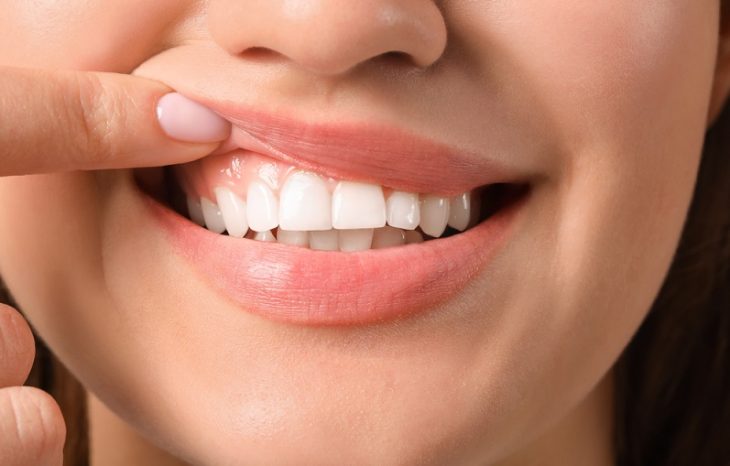
5 Daily Habits That Are Secretly Ruining Your Tooth Enamel
Tooth enamel is the hardest substance in the human body, outranking even bone in structural density. This mineralized shell serves as the primary line of defense for your teeth, shielding the sensitive inner dentin and nerve pathways from hot, cold, and physical trauma. Despite its remarkable strength, enamel is highly vulnerable to chemical dissolution and mechanical wear. Unlike bone tissue, enamel does not contain living cells, meaning it cannot regenerate once it is lost.
Many people follow strict oral hygiene routines, yet still experience enamel thinning, increased dynamic sensitivity, and yellowing. This structural breakdown often results from subtle behaviors integrated into everyday life. By understanding the physiological mechanisms behind modern enamel degradation, you can modify your daily routines to preserve your smile for a lifetime.
Below is an overview of how enamel erosion alters the structural layers of a tooth, exposing the yellow dentin underneath and causing intense tooth sensitivity.
1. Constant Snacking and Grazing Throughout the Day
The frequency of food consumption plays a more critical role in enamel demineralization than the total volume of food consumed. Every time you eat a snack, a meal, or drink anything other than plain water, the native bacteria in your mouth break down carbohydrate residues. This metabolic process yields organic acids as a byproduct, rapidly lowering the pH level within your oral cavity.
The critical pH threshold for human tooth enamel is 5.5. When the microenvironment inside your mouth drops below this level, the crystalline structural matrix of the enamel begins to dissolve, shedding essential calcium and phosphate ions. Under normal conditions, your saliva serves as a natural defense mechanism. Saliva possesses powerful buffering agents that neutralize acids, alongside an abundance of mineral ions that actively replace lost minerals through a process called remineralization.
However, your saliva requires an uninterrupted window of approximately thirty to sixty minutes to effectively clear food debris, neutralize residual acids, and restore the oral environment to a safe, neutral pH. When you graze continuously on crackers, chips, or nuts throughout the afternoon, your mouth remains locked in a persistent state of high acidity. This constant chemical assault deprives your saliva of the recovery windows it desperately needs, leading to progressive, widespread enamel thinning.
2. Brushing Your Teeth Immediately After Consuming Acidic Meals
Brushing your teeth twice a day is foundational for removing oral plaque, but timing is everything. A common misconception is that brushing immediately after eating is the best way to keep teeth clean. If your meal includes highly acidic foods or beverages, such as morning orange juice, grapefruit, vinaigrette dressings, or a cup of black coffee, immediate brushing accelerates tooth destruction.
The introduction of highly acidic items temporarily alters the structural integrity of your enamel by breaking down its outer mineral surface. For roughly thirty minutes following exposure, the enamel remains soft, porous, and highly susceptible to mechanical abrasion. If you introduce a toothbrush during this vulnerable window, the friction does not just clean away food debris. Instead, it systematically scrubs away the softened, outermost layers of your enamel.
Over several months, this destructive routine manifests as smooth, localized depressions along the chewing surfaces and outer faces of your teeth. To prevent this mechanical loss, always wait at least thirty minutes after eating before you brush. This pause allows your saliva to fully harden and remineralize the weakened tooth structure. If you need to freshen your mouth immediately after eating, rinse thoroughly with plain tap water to wash away loose acids without scraping the enamel surface.
3. Relying on All-Day Sipping of Sparkling Water or Diet Soda
Many health-conscious individuals switch from sugary soft drinks to unflavored sparkling water or diet sodas to protect their bodies. While this choice eliminates simple sugars that fuel bacterial decay, it does not erase the threat of chemical acid erosion. The process used to carbonate water involves pumping carbon dioxide gas into the liquid, which triggers a chemical reaction that creates carbonic acid.
While unflavored sparkling water is less damaging than traditional sodas, it is still distinctly acidic, typically registering a pH value between 3.0 and 4.0. Diet sodas carry an even greater risk, as they are frequently formulated with citric acid, malic acid, or phosphoric acid to enhance shelf life and mimic crisp flavor profiles.
The primary danger stems from the modern habit of keeping a carbonated beverage on your desk or in your car, taking small sips every few minutes over several hours. This behavior creates a continuous, low-pH environment across your front teeth. Rather than dealing with a brief, isolated chemical exposure that your body can quickly balance out, your teeth are subjected to hours of continuous acid bathing. If you choose to enjoy carbonated beverages, drink them efficiently alongside a major meal rather than sipping them throughout the day, and use a straw to minimize direct contact with your teeth.
4. Applying Excessive Mechanical Force During Your Brushing Routine
Many people approach oral care with an aggressive mindset, believing that harder scrubbing results in cleaner teeth. This intense scrubbing approach is highly destructive. Enamel is built to handle the vertical, crushing forces of chewing food, but it is incredibly vulnerable to repetitive, side-to-side scrubbing across the tooth surface.
Using a firm or medium-bristled toothbrush, or applying heavy physical pressure with a soft brush, causes a condition called toothbrush abrasion. This friction wears away the enamel near the gumline where the protective coating is naturally thinnest. Compounding the issue, aggressive scrubbing irritates the surrounding delicate gum tissue, causing it to pull back and expose the root structures of the teeth. The roots are coated in cementum, a material that is far softer and more porous than true enamel, leaving it highly vulnerable to rapid wear and deep decay.
To preserve these delicate boundaries, rethink your brushing mechanics. View the process as a gentle massage rather than a deep scrub. Always select a toothbrush explicitly labeled as soft or extra-soft. Hold the brush loosely using only your fingertips rather than a tight fist to naturally reduce your leverage, and guide the bristles in tiny, circular patterns across each tooth face.
5. Utilizing Your Teeth as Household Opening Tools
Your teeth are meticulously engineered for biting, tearing, and grinding biological food matter. They are absolutely not designed to function as scissors, pliers, or bottle openers. Despite this biological reality, many people routinely use their front teeth to tear open plastic retail tags, bite through clear tape, crack open stubborn packaging, or hold onto metal pens when their hands are full.
These actions place severe, unbalanced mechanical stress on the narrow, sharp edges of your lower and upper incisors. While enamel can manage immense vertical force, it is highly prone to fracturing when subjected to sharp, twisting forces against synthetic materials.
Using your teeth as tools creates microscopic fracture lines through the crystal framework of the enamel. Over time, these tiny micro-cracks grow under the everyday pressures of chewing, eventually causing visible chips, fractures, or structural failures that require complex dental bonding or crowns. Keep dedicated household tools, such as scissors, box cutters, and bottle openers, readily available in your kitchen, office, and vehicle so you never default to using your smile as a convenient substitute.
Frequently Asked Questions
Can lost tooth enamel be naturally restored by the human body?
No, lost tooth enamel cannot be naturally grown back by your body. Enamel is unique because it is a non-living tissue that contains no cellular material. Once the physical structure of enamel is worn away through mechanical abrasion or chemical erosion, there are no cells available to synthesize new material. However, if the enamel is merely demineralized and softened but still physically present, it can be strengthened and hardened through targeted remineralization using saliva, fluoride treatments, or hydroxyapatite toothpastes.
How does chronic systemic stress impact the structural integrity of enamel?
Chronic systemic stress frequently triggers an involuntary condition known as bruxism, which involves the subconscious clenching or grinding of your teeth. This behavior most commonly occurs during deep sleep cycles, when individuals have no conscious control over their jaw mechanics. Bruxism exerts crushing forces that far exceed normal chewing pressure, causing teeth to slide aggressively against one another. This persistent friction shears away the protective enamel, resulting in flattened chewing surfaces, micro-fractures, and severe jaw joint inflammation.
Why do my teeth appear increasingly yellow as my enamel wears down?
The second layer of your inner tooth structure is a highly dense, calcified tissue called dentin. Unlike the outer enamel layer, which is naturally translucent and light gray or white, dentin has a deep yellowish-brown hue. As your outer enamel layer thins due to daily habits like acid exposure or aggressive brushing, it becomes increasingly see-through. This structural thinning allows the dark, underlying dentin layer to show through clearly, making your smile look distinctly yellow even if you maintain excellent surface cleanliness.
Does the temperature of the water I drink influence my enamel health?
The temperature of plain water does not directly cause chemical erosion, but extreme temperature shifts can cause physical stress. Teeth are composite structures made of materials that expand and contract at slightly different rates when exposed to temperature changes. Drinking ice-cold water immediately after eating a steaming hot meal causes rapid thermal contraction within your mouth. This sudden temperature shift can create microscopic stress fractures in your enamel over time, especially if your teeth already have large fillings.
How does chronic dry mouth accelerate the process of enamel erosion?
Saliva acts as your mouth’s primary defense mechanism against tooth decay and chemical breakdown. It dilutes harmful food acids, physically washes away lingering debris, and delivers essential calcium and phosphate ions back into the tooth surface to repair minor wear. When you suffer from chronic dry mouth due to dehydration, mouth breathing, or prescription medications, your teeth lose this protective coating. Without the constant neutralization provided by healthy saliva, even small amounts of mild dietary acids remain concentrated on your teeth, accelerating enamel loss.
Are at-home charcoal whitening scrubs safe for daily enamel maintenance?
No, at-home charcoal toothpastes and structural whitening powders are generally too abrasive for regular oral care. Activated charcoal consists of fine, sharp particles that scrub away surface stains through intense physical friction. While this mechanical scrubbing action may initially make your teeth look brighter by removing surface discoloration, it simultaneously wears down the thin enamel layer underneath. Continuous use of these abrasive products speeds up long-term enamel loss, eventually revealing the yellow dentin layer beneath and causing permanent tooth sensitivity.