
Plant-Based Protein vs. Animal Protein: Which is Superior?
Protein is a fundamental macronutrient required for human survival, serving as the structural framework for skeletal muscle, metabolic enzymes, cellular receptors, and vital immune antibodies. The human body continuously degrades and rebuilds its internal protein structures through a process known as protein turnover. To support this ongoing metabolic cycle, individuals must consume adequate amounts of dietary protein daily. However, the nutritional landscape is highly divided on whether plant-derived proteins or animal-derived proteins serve as the ideal source for optimal human health, longevity, and physical performance.
The scientific comparison between these two protein categories extends far beyond the simple total gram count listed on a food nutrition label. The true nutritional value of a protein source depends on its underlying amino acid profile, its biological digestibility score, and the unique package of vitamins, minerals, lipids, and dietary fiber that naturally accompanies the protein matrix. Evaluating the physiological advantages and distinct challenges of both plant and animal protein sources allows you to make informed, objective dietary choices that align with your individual metabolic demands.
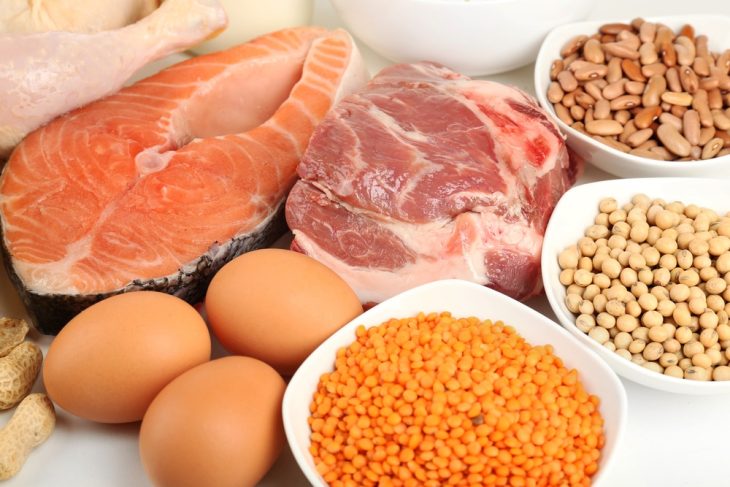
Below is a conceptual breakdown highlighting classic dietary sources of both animal-derived and plant-derived proteins, showcasing the fundamental options available within each nutritional category.
Amino Acid Profiles and Complete vs Incomplete Proteins
When the human digestive tract breaks down ingested protein, it reduces the complex molecular chains into individual compounds known as amino acids. The human body utilizes twenty distinct amino acids to construct its internal tissues. Eleven of these can be synthesized internally by the liver, classifying them as non-essential. The remaining nine compounds are classified as essential amino acids, meaning the body cannot produce them under any circumstance, making their regular consumption through dietary sources mandatory for basic survival.
Animal proteins, including poultry, beef, wild-caught fish, eggs, and dairy products, are universally categorized as complete proteins. This classification means they naturally contain all nine essential amino acids in a balanced, highly concentrated ratio that mirrors the precise biological requirements of human skeletal muscle tissue. This complete structural nature makes animal sources highly efficient at stimulating muscle protein synthesis with a relatively small volume of total food consumption.
In contrast, the vast majority of plant proteins, such as lentils, chickpeas, brown rice, and whole wheat, are categorized as incomplete proteins. These plant sources typically lack, or contain very low amounts of, at least one essential amino acid. For instance, grains are generally low in the essential amino acid lysine, while legumes are frequently deficient in methionine.
There are notable exceptions to this rule, such as soy products, quinoa, and chia seeds, which qualify as complete plant proteins. Furthermore, individuals do not need to consume complete proteins at every single meal. By practicing protein complementation, which involves pairing different plant foods like rice and beans or whole grain bread and peanut butter over the course of twenty-four hours, the body successfully aggregates all the necessary building blocks to maintain its vital structural needs.
Bioavailability and Digestibility Metrics
The overall nutritional efficiency of a food source is heavily determined by its bioavailability, which measures how effectively the human digestive system can break down, absorb, and utilize the amino acids contained within the food. Nutritional scientists use advanced testing scales, such as the Digestible Indispensable Amino Acid Score, to measure this specific digestive efficiency across various food items.
Animal proteins consistently achieve exceptionally high scores on these bioavailability metrics, often registering near or above a value of 1.0. The structural matrix of animal tissue contains zero physical barriers to human digestive enzymes, allowing the stomach acids and pancreatic proteases to rapidly dissolve the tissue and absorb the liberated amino acids through the intestinal wall.
Plant proteins face distinct structural challenges that naturally lower their overall biological digestibility, often resulting in absorption rates that are ten to twenty percent lower than their animal counterparts. Plant cells are surrounded by a rigid, fibrous wall composed of cellulose and other complex carbohydrates that human enzymes cannot easily break down.
Additionally, raw plant foods contain natural defense compounds known as antinutrients, including phytic acid, tannins, and trypsin inhibitors. These compounds chemically bind to minerals and directly inhibit the specific pancreatic enzymes responsible for breaking down protein molecules.
Fortunately, modern culinary techniques can significantly reduce these antinutrient barriers. Employing food preparation practices such as thorough boiling, sprouting, overnight soaking, and fermentation deactivates the majority of these enzyme inhibitors, opening up the plant cellular structure and substantially improving the total amino acid absorption rate.
Chronic Disease Outcomes and Longevity Profiles
When evaluating which protein source is superior, the long-term impact on systemic health and chronic disease development represents a critical piece of scientific evidence. The metabolic effects of a protein food are heavily influenced by the background micronutrients and lipid profiles embedded within the raw ingredient.
Diets heavily reliant on specific animal proteins, particularly processed meats like bacon, sausage, and deli cold cuts, show strong correlations with elevated risks of cardiovascular disease, type two diabetes, and colorectal cancers. This connection stems partly from the high concentrations of saturated fatty acids, advanced glycation end-products formed during high-heat cooking, and industrial sodium preservatives.
Conversely, non-processed animal choices like wild-caught salmon and pasture-raised eggs deliver protective nutrients, such as omega-three fatty acids, choline, and selenium, which actively support neurological function and cardiovascular elasticity.
Plant-based protein sources deliver an entirely different set of metabolic benefits. Plant foods are completely free of dietary cholesterol and contain minimal saturated fats. Instead, they are packed with fermentable dietary fiber, essential antioxidants, and diverse polyphenols.
Regular consumption of plant proteins from whole foods like beans, lentils, and nuts is linked to a lowered risk of ischemic heart disease, improved systemic insulin sensitivity, and reduced circulating levels of low-density lipoprotein cholesterol. The rich fiber content within whole plant foods also feeds the beneficial microbes in the large intestine, promoting a balanced gut microbiome that reduces chronic, low-grade systemic inflammation throughout the human body.
Athletic Performance and Muscle Hypertrophy
In the fitness and athletic communities, protein selection is a primary variable used to optimize physical recovery, strength development, and muscle hypertrophy, which is the growth of muscle cells. The speed and efficiency of muscle tissue repair are highly sensitive to the concentration of branched-chain amino acids, particularly a specific compound called leucine. Leucine acts as the primary chemical switch that triggers the mammalian target of rapamycin pathway, which is the internal biological process that signals muscle cells to grow and repair themselves after intense training.
Animal proteins are naturally rich in leucine, typically containing roughly nine to eleven percent leucine by total weight. This high concentration allows a strength athlete to easily maximize muscle protein synthesis by consuming a modest twenty-five to thirty grams of whey isolate or lean chicken breast following a workout.
Plant proteins generally possess a lower concentration of leucine, hovering around six to eight percent of their total protein structure. This lower concentration means that an equal portion of a plant-based food may fall short of fully activating the necessary muscle growth signals.
To overcome this biological gap, athletes focusing exclusively on plant-based nutrition must intentionally adjust their strategy. By increasing the overall portion size to consume a larger total volume of plant protein, or by utilizing concentrated plant protein isolates derived from pea and soy blends, individuals can successfully match the leucine delivery of animal products.
When the total amino acid and leucine intake is meticulously matched to meet metabolic demands, long-term athletic training studies demonstrate that plant-based athletes achieve identical gains in muscle mass, raw strength, and physical recovery compared to athletes consuming standard animal proteins.
Micronutrient Densities and Deficiencies
Choosing one protein source exclusively over the other alters the overall intake of vital micronutrients, as certain essential vitamins and minerals are highly concentrated in specific food kingdoms. A well-balanced diet must account for these nutritional imbalances to prevent long-term deficiency symptoms.
Animal proteins are exceptional sources of several highly bioavailable nutrients that are either entirely missing or poorly absorbed from plant matter:
-
Vitamin B12, which is synthesized exclusively by bacteria and found naturally only in animal tissues, making it mandatory for nerve health and red blood cell formation
-
Heme iron, which is found in red meat and is absorbed by the human body at a much higher rate than the non-heme iron found in dark leafy greens
-
Preformed vitamin A, also known as retinol, which is immediately usable by the human body, whereas the beta-carotene found in orange vegetables requires an inefficient internal conversion process
-
Bioavailable zinc, which supports immune defense and is easily extracted from seafood and beef without being blocked by plant phytic acids
Plant proteins excel at delivering an array of vital micronutrients that are largely absent from standard animal products. Plant sources are rich in magnesium, a mineral crucial for managing stress, regulating blood pressure, and supporting deep sleep cycles.
They also provide high concentrations of potassium, which works alongside sodium to manage cellular fluid balance, and folate, which is essential for DNA synthesis and cellular division. Additionally, the complete absence of dietary fiber in meat, seafood, and dairy means that relying solely on animal proteins impairs digestive transit times, highlighting why the inclusion of fiber-rich plant foods is highly beneficial for long-term health.
Frequently Asked Questions
What is the primary difference in kidney function when processing plant versus animal proteins?
Animal proteins contain high concentrations of sulfur-containing amino acids, which generate an acidic environment when metabolized by the body. To neutralize this acid, the kidneys must work harder to excrete the waste, leading to increased pressure within the filtration units of the kidneys. Plant proteins carry an alkaline mineral load that creates significantly less metabolic stress on the kidneys. This lower stress profile makes a plant-leaning diet highly advantageous for individuals looking to preserve long-term kidney health.
How does the concept of protein complementation work for vegetarians?
Protein complementation is the practice of combining two different plant foods that have contrasting amino acid deficits to create a complete protein source. For example, grains are typically low in lysine but high in methionine, while legumes are high in lysine but low in methionine. When eaten together or within the same day, they cover each other’s nutritional gaps. This allows the digestive system to access a full set of all nine essential amino acids needed for tissue repair.
Why is soy considered a unique outlier among plant-based protein sources?
Soy is a major exception in the plant world because it naturally contains all nine essential amino acids in an optimal ratio, making it a true complete protein that rivals animal products. Additionally, modern processing methods used to create tofu, tempeh, and soy milk strip away the vast majority of the antinutrients naturally found in raw soybeans. This processing dramatically improves the digestibility score, allowing the human body to absorb its amino acids with an efficiency close to that of egg or milk protein.
Can individuals over the age of sixty satisfy their protein needs solely through plants?
Yes, older adults can meet their nutritional needs using plant sources, but it requires careful planning due to a condition called age-related anabolic resistance. As the human body ages, its muscles require a higher concentration of the amino acid leucine to stimulate repair and prevent muscle wasting. Because plant foods are naturally lower in leucine, older individuals must consume larger portion sizes of plant proteins or incorporate targeted pea and rice protein isolates to protect their muscle mass.
What are advanced glycation end-products and how do they relate to cooking meat?
Advanced glycation end-products are harmful compounds that form when the proteins and fats in animal foods interact with sugars during dry, high-heat cooking methods like grilling, frying, or broiling. When consumed, these compounds accumulate in human tissues over time, triggering localized cellular stress and damaging the lining of blood vessels. Plant proteins are significantly less prone to forming these specific compounds during cooking, making them less disruptive to vascular health.
How does the presence of phytic acid in grains affect mineral absorption?
Phytic acid is a natural storage compound found in grains, nuts, and seeds that serves as an antinutrient. It acts like a chemical magnet inside the digestive tract, binding tightly to vital minerals like zinc, calcium, and iron to form insoluble complexes that the human body cannot absorb. Over time, a diet high in raw, unpulverized grains can lead to subtle mineral deficiencies. This effect can be easily managed by soaking, sprouting, or boiling the foods to neutralize the phytic acid before consumption.
Does consuming whey protein isolate provide any specific immune system benefits?
Yes, high-quality whey protein isolate contains specific sub-fractions, including alpha-lactalbumin, beta-lactoglobulin, and immunoglobulins, which possess natural antimicrobial and immune-boosting properties. Whey is also exceptionally high in cysteine, an amino acid that serves as the primary limiting building block for the synthesis of glutathione. Glutathione is the body’s most powerful internal antioxidant, helping to protect immune cells from oxidative damage during periods of intense physical training or systemic illness.