
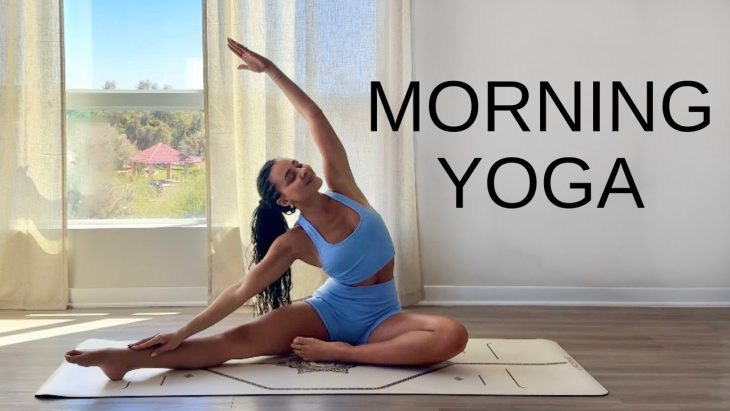
Morning Yoga Routines to Boost Your Energy Without Coffee
Waking up feeling sluggish is a common experience in modern life. Many people routinely depend on caffeine to force their nervous system into alertness each morning. While a morning cup of coffee provides a fast surge of energy, it functions by blocking adenosine receptors in the brain, essentially masking fatigue rather than truly resolving it. This chemical intervention often triggers a distinct mid-afternoon energy crash, leaving you feeling increasingly depleted.
A deliberate morning yoga routine offers a sustainable, non-chemical alternative for cultivating genuine vitality. By utilizing specific physical postures, controlled breathing mechanics, and targeted joint mobilization, you can stimulate your sympathetic nervous system naturally. This practice accelerates your resting heart rate, improves cellular oxygenation, and releases muscular tension accumulated during sleep. Incorporating yoga into your morning transition shifts your body from a state of rest to focused alertness without the jittery side effects or subsequent energy dips associated with caffeine.
The Physiology of Movement and Natural Alertness
To understand why a morning movement practice clears away sleep inertia so effectively, it helps to examine basic human physiology. During sleep, your body enters a state of minimal metabolic activity. Your blood pressure drops, your heart rate slows down, and your core body temperature falls to its lowest daily point. Additionally, your muscles and surrounding fascial tissues remain completely stationary for hours, causing fluid to pool and connective tissues to stiffen.
Engaging in a structured yoga sequence immediately upon waking serves as a mechanical wake-up call for your entire biological framework. The physical movement compresses and releases deep blood vessels, pumping stagnant blood out of your limbs and back to your heart and lungs for oxygen enrichment. This rapid increase in systemic circulation delivers fresh oxygen and essential nutrients directly to your brain, mimicking the cognitive clarity that people typically seek from caffeine.
Furthermore, purposeful movement alters your internal hormone balance. Physical exertion stimulates your adrenal glands to release small, natural amounts of cortisol and adrenaline. These hormones elevate your core body temperature, raise your blood pressure back to daytime levels, and sharpen your cognitive focus. This natural chemical shift safely aligns your internal circadian rhythm with the start of the day.
The Power of Controlled Respiration
The physical postures of yoga work hand-in-hand with deep, rhythmic breathing patterns. Sleep cycles are naturally characterized by shallow, unconscious respiration that uses only the upper portion of the lungs. This shallow breathing pattern can allow small amounts of residual carbon dioxide to remain in the lower lobes of your lungs, contributing to that groggy feeling you experience right after waking up.
Yoga emphasizes diaphragmatic breathing, which requires you to consciously expand your abdomen and lower ribcage with every inhalation. This deep expansion engages the entire surface area of your lungs, maximizing the transfer of oxygen into your bloodstream while fully expelling trapped carbon dioxide.
For an immediate surge of morning energy, you can pair your movement with a specialized breathing technique known as Bhastrika, or bellows breath. This practice involves forceful, rapid inhalations and exhalations driven entirely by the rhythmic contraction of your abdominal muscles. This rapid air exchange acts as a powerful stimulus for your sympathetic nervous system, instantly increasing your heart rate, sharpening your mental focus, and clearing out cognitive fog within a few minutes.
Essential Postures for Spinal Awakening
A well-rounded morning yoga routine should systematically move your spine through its full range of motion, including flexion, extension, lateral bending, and axial rotation. Your spine houses the central nervous system, and mobilizing this column activates deep nerve pathways that signal your brain to transition into an awake state.
Dynamic Cat-Cow Flow
This gentle, fluid movement serves as the ideal starting point for any morning sequence, allowing you to safely warm up the intervertebral discs without straining stiff muscles.
-
Begin on your hands and knees in a tabletop position, aligning your wrists directly beneath your shoulders and your knees beneath your hips.
-
As you inhale deeply, lower your belly toward the floor, lift your sit bones toward the ceiling, and gently pull your chest forward and up into Cow Pose.
-
As you exhale completely, press firmly through your palms, round your spine toward the ceiling, tuck your chin toward your chest, and pull your belly button inward for Cat Pose.
-
Repeat this dynamic cycle for ten full breaths, matching the speed of your movement to the natural length of your respiration.
Downward-Facing Dog
This classic inversion positions your hips above your heart and head, reversing the pooling effects of gravity and directing fresh blood flow straight to your brain.
-
From your tabletop position, walk your hands forward roughly three inches, tuck your toes under, and lift your knees away from the mat.
-
Press your hips up and back, lengthening your spine and shaping your body into an inverted letter V.
-
Keep your knees slightly bent initially if your hamstrings feel tight, and focus entirely on creating a long, straight line from your wrists up through your sit bones.
-
Pedal your feet out slowly by lowering one heel toward the floor at a time, stretching the calves and opening the posterior chain.
Standing Postures for Full-Body Strength
Transitioning from floor stretches to standing postures requires greater muscular engagement, which raises your metabolic rate and builds lasting physical stamina for the day ahead.
Sun Salutation A Sequence
Sun Salutations are traditional sequences specifically designed to be practiced at dawn to warm up the body and honor the rising sun. They function as a continuous, flowing loop that links movement directly with breath.
-
Stand at the top of your mat with your feet together and your weight distributed evenly across your soles.
-
Inhale as you sweep your arms overhead, lengthening your torso.
-
Exhale as you fold forward from your hips, lowering your hands toward the floor.
-
Inhale to lift your chest halfway up, creating a flat back, then exhale as you step back into a high plank position.
-
Lower your body halfway down with control, keeping your elbows tucked close to your ribs, then inhale as you press up into an upward-facing dog, lifting your chest and thighs off the floor.
-
Exhale as you push your hips back into downward-facing dog, holding the position for five deep breaths before stepping forward to repeat the cycle.
Chair Pose
This powerful posture activates the largest muscle groups in your lower body, including your glutes, quadriceps, and hamstrings, which quickly boosts circulation.
-
Stand with your feet together, bend your knees deeply, and sink your hips back and down as if you are lowering yourself into an invisible chair.
-
Sweep your arms up alongside your ears, keeping your shoulders relaxed and down away from your ears.
-
Shift your body weight backward into your heels so that your knees do not push forward past your toes.
-
Hold this posture for five slow, steady breaths, feeling the heat build along your thighs and core as your muscles stabilize your frame.
Backbends and Twists for Total Cellular Refresh
Finishing your morning routine with targeted backbends and spinal twists helps expand your chest cavity and compresses internal organs, which aids in flushing out metabolic waste.
Crescent Lunge with a Spinal Twist
This posture combines a deep hip opener with a thoracic twist, improving lower body stability while relieving tension across your mid-back.
-
From a downward-facing dog position, step your right foot forward between your hands, ensuring your knee sits directly above your ankle.
-
Lower your hips slightly, keep your back heel lifted high off the mat, and lift your torso upright, extending your arms toward the ceiling.
-
Bring your palms together at your chest, lean forward slightly, and twist your torso to the right, hooking your left elbow over the outside of your right thigh.
-
Press your palms firmly together to deepen the twist, looking up over your right shoulder while holding the position for five full breaths before switching sides.
Frequently Asked Questions
How long does a morning yoga session need to be to replace the alertness of coffee?
You do not need to spend an hour on your mat to match the stimulating effects of a morning coffee. A focused, high-quality session lasting just fifteen to twenty minutes is entirely sufficient to clear away sleep inertia. The key is prioritizing continuous movement and deep breathing patterns that raise your heart rate and increase circulation, rather than holding passive stretches for long periods.
Can I practice this energizing morning sequence before drinking water?
It is highly recommended to drink a glass of room-temperature or warm water immediately upon waking, before you begin your yoga practice. Your body loses a significant volume of moisture overnight through respiration and sweat. Practicing yoga while dehydrated can limit your performance and cause mild dizziness, whereas rehydrating first supports joint lubrication and accelerates the clearing of cellular waste.
Why do backbends provide an immediate feeling of physical energy?
Backbends physically stretch and expand the chest wall, intercostal muscles, and lungs, which allows you to take deeper, more spacious inhalations. This opening immediately increases the volume of oxygen entering your bloodstream. From a neurological perspective, backbending extension stimulates the sympathetic nerve pathways along the front of your spine, signaling your brain to increase alertness.
Is it safe to perform dynamic sun salutations if my back feels very stiff?
Yes, it is safe, provided you modify the movements to accommodate your morning stiffness. Intervertebral discs are naturally engorged with fluid first thing in the morning, which makes the spine feel rigid. To practice safely, keep your knees deeply bent during all forward folds, and substitute upward-facing dog with a gentle low cobra pose until your back muscles have warmed up completely.
How does morning yoga help minimize afternoon energy crashes?
Caffeine creates a sharp spike in alertness followed by a rapid drop once the chemical wears off. Yoga boosts your energy by improving circulation, increasing oxygenation, and optimizing hormone production naturally. Because this vitality is driven by your body’s own metabolic systems rather than a temporary chemical blocker, your energy tapers off evenly throughout the day without an abrupt crash.
Should I avoid using props like blocks during an energizing routine?
No, you should absolutely use props whenever they help you maintain proper alignment and fluid breathing. Forcing your body into a posture without adequate flexibility creates physical tension and restricts your breathing mechanics. Utilizing yoga blocks under your hands during lunges allows you to keep your chest open and your spine long, which encourages better oxygen intake.
Can breathing exercises alone wake me up if I do not have time for postures?
Yes, if you are pressed for time, a brief session of focused breathing exercises can provide a quick boost in alertness. Spending five minutes practicing rapid bellows breath or alternate nostril breathing while sitting up in bed can stimulate your nervous system, clear out morning brain fog, and raise your heart rate without requiring a full physical sequence on a mat.